

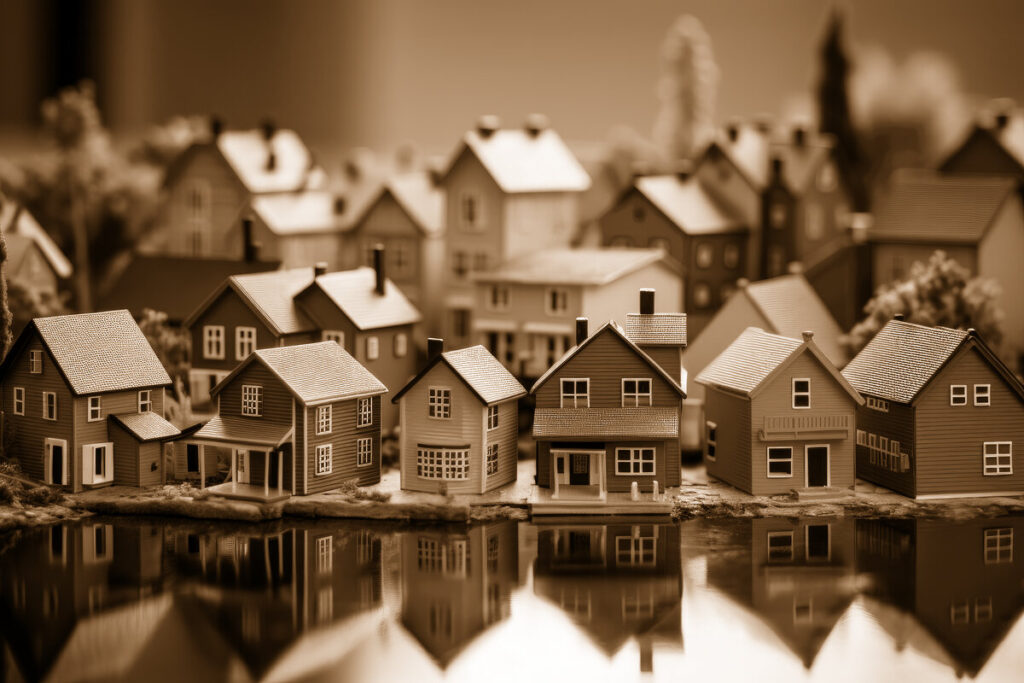
Nestled between the quiet bends of the Skidaway River and the enchanting marsh grasses of the Wilmington River, Isle of Hope is a neighborhood where history seems to linger in the salty air. For over two centuries, this scenic Savannah gem has welcomed generations of dreamers, families, and adventurers seeking—just as its name promises—hope along the coast.
The Origins of a Name Fit for a Sanctuary
Isle of Hope’s poetic name is as inviting as its live oak-lined lanes, and stories about its origins are as rich as the soil itself. Some believe the name got its start around colonial times, when weary travelers would spot the gentle rise of land from their boats and feel a rush of relief—here was “hope” at journey’s end. Others suggest it may have been named for its safe harbor, offering respite to settlers, fishermen, and later, summer vacationers escaping the city’s heat.
By the late 1700s, Isle of Hope was marked on early Georgia maps. Back then, it was a genuine “island” surrounded by tidal creeks and marshes that were only occasionally traversable at high tide. The charm of its name continues today, evident in every conversation with residents who speak lovingly of their peaceful paradise.
The Antebellum Era: Plantations and Prosperity
In the early 19th century, Isle of Hope flourished as an enclave for rice and cotton plantations. Wealthy Savannahians built grand summer estates here to escape the city’s fever season—rows of stately homes still set along Bluff Drive are living testaments to this era. Shaded by gnarled oaks and draped with Spanish moss, these homes reveal the neighborhood’s prominence during the antebellum years.
Key streets such as Bluff Drive and Rose Avenue are lined with historic cottages and mansions, many dating to the 1840s and 1850s. Some, like the Hermitage Plantation House (once home to Charles Green, a prominent Savannah merchant), whisper stories of long-ago gatherings and social seasons.
Emancipation, Reconstruction, and New Foundations
Following the Civil War, Isle of Hope—like all of Savannah—faced a period of transformation and rebuilding. Former plantation lands were divided, and the neighborhood gradually became more accessible. The community evolved, attracting year-round residents who were drawn by the same breezes and natural beauty that had once enticed the planter elite.
During this era, small churches and family homes began to dot the landscape. Not far from the heart of Isle of Hope on LaRoche Avenue, the Isle of Hope Methodist Church stands as a welcoming beacon, tracing its roots to 1851 and serving as a community anchor for generations.
The Golden Age of the Trolley and “Savannah’s Summer Playground”
The turn of the 20th century brought a new chapter for Isle of Hope as the Savannah Electric & Power Company extended its streetcar line to the neighborhood in 1892. Gone were the days of isolation; now, Savannahians could easily travel out to the isle for day trips or summer holidays.
This era ushered in “Savannah’s summer playground” reputation. Families flocked to Isle of Hope’s scenic shores, boating, swimming, fishing, and playing in the sun. Turner’s Creek became a favorite fishing spot while the River Drive pavilion hummed with dances and picnics. Bluff Drive, with its iconic wooden dock stretching over the Skidaway River at Hope Park, became a central gathering point.
The Oglethorpe Marina and later the Isle of Hope Marina cemented the area’s status as a boating haven—places where locals and visitors alike swap tales of record catches and moonlit cruises.
Notable Landmarks and Timeless Treasures
Isle of Hope today is a living museum of architectural and natural beauty. Along Bluff Drive, lovingly preserved homes stand as keepsakes of a lost era. The scenery is punctuated by priceless wooden docks and benches that invite you to linger over the sparkling river views.
A few landmarks of note include:
- Isle of Hope United Methodist Church: Serving the community for over 170 years, the church offers a glimpse into the neighborhood’s spiritual heart.
- The Rose Dhu Island area: Once a private plantation, now home to beautiful, sprawling private residences, it's a symbol of the neighborhood’s evolution from farmland to family-friendly oasis.
- Wormsloe Historic Site (just nearby): While not technically within the Isle’s boundaries, Wormsloe’s ancient oak avenue and colonial ruins connect the neighborhood with the broader tapestry of Georgia’s colonial past.
The Island in the Present Day: Heritage Preserved
Walk Isle of Hope’s quiet streets today, and the resonance of history is everywhere—sometimes in the planks of a weathered boat house, sometimes in the laughter echoing from Hope Park’s playground. The neighborhood remains a beloved retreat, blending the solace of nature with the warmth of tradition.
Though the trolley tracks are long gone, the sense of community still rolls along. Schoolchildren attend the Isle of Hope K-8 School, families gather at community festivals, and neighbors wave to each other from front porches or while paddling along the river’s edge.
Active neighborhood associations and zoning efforts have helped protect Isle of Hope’s unique character. Modern touches—like friendly coffee shops and updated marinas—exist harmoniously alongside preserved homes and tidy parks. The annual Isle of Hope Art Show, held on Bluff Drive, fills the historic avenue with color and creativity, letting both residents and visitors celebrate the enduring beauty of the isle.
A Legacy of Hope and Hospitality
Isle of Hope’s story is far from finished. Its history is a living thing, told in every sunset over the marsh, every chapel bell, and every footstep on its storied streets. For newcomers and multi-generational families alike, the neighborhood represents both a sanctuary and a link to Savannah’s remarkable coastal legacy.
Whether you’re admiring the historic homes on Bluff Drive, picnicking by the marina, or simply soaking up the timeless scenery, Isle of Hope invites you—as it always has—to be part of its ongoing tale of hope, heritage, and heart.